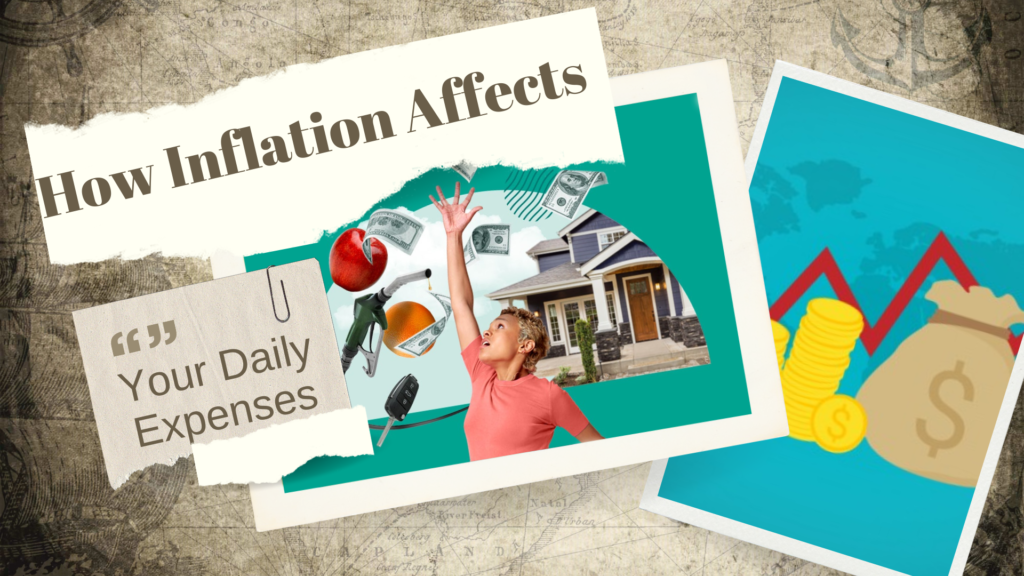
Inflation is the rise in prices of goods and services over time. When inflation happens, the value of money decreases. This means you need more money to buy the same things you used to buy before. Inflation affects everyone, especially in daily life.
One of the most noticeable effects of inflation is higher food prices. Groceries such as rice, vegetables, meat, and cooking oil often become more expensive. Eating out also costs more as restaurants raise prices to cover higher expenses.
Transportation costs also increase with inflation. Fuel prices may rise, making commuting more expensive. Public transportation fares can also go up. These higher costs affect people who travel daily for work or school.
Housing expenses are another area affected by inflation. Rent prices may increase, and home maintenance costs become higher. Utility bills such as electricity, water, and gas can also rise, adding pressure to monthly budgets.
Healthcare costs often go up during inflation. Medicines, doctor visits, and medical services may become more expensive. This can be difficult, especially for families and older adults who need regular care.
Inflation also affects education and childcare. School fees, supplies, and childcare services may cost more over time. These increases can make it harder for families to manage their finances.
To cope with inflation, budgeting becomes very important. Tracking expenses helps identify areas where spending can be reduced. Buying in bulk, choosing local products, and limiting unnecessary spending can help manage costs.
Increasing income through skills, side jobs, or better opportunities can also help balance rising expenses. Saving and investing wisely may protect money from losing value over time.
In conclusion, inflation affects many parts of daily life, from food to housing and healthcare. Understanding its impact helps people plan better and make smart financial choices to manage rising expenses.