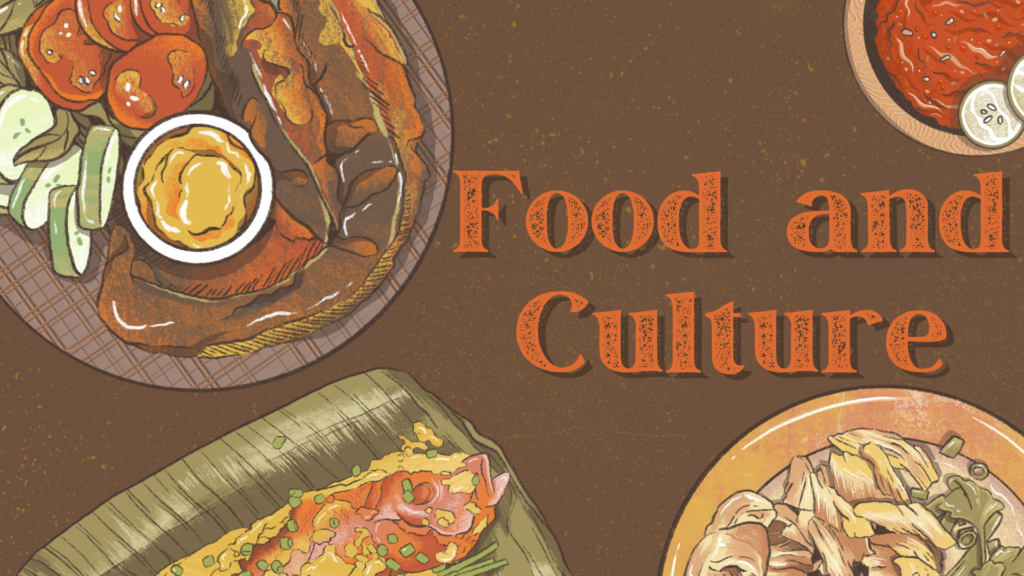
Food is more than something we eat every day. It is an important part of culture and identity. Around the world, different countries and communities have their own food traditions. These traditions show history, values, and lifestyle.
Cuisine often comes from a place’s geography and climate. For example, people who live near the sea eat more fish, while people in farming areas eat more grains and vegetables. The ingredients used in a dish usually depend on what is easy to grow or find in that region. This shows how people adapt to their environment.
Food also reflects history. Many traditional dishes were created during important times such as wars, trade, or colonization. Spices, cooking methods, and recipes were shared between cultures through travel and trade. Because of this, food can tell stories about the past and how cultures influenced each other.
Family and community are strongly connected to food. In many cultures, meals are shared during celebrations, holidays, and special events. Cooking recipes are often passed down from parents to children. This helps keep traditions alive and strengthens cultural identity.
Religion also affects cuisine. Some religions have food rules, such as avoiding certain meats or fasting on special days. These practices show beliefs and values that are important to the community.
In today’s modern world, food culture continues to change. Globalization makes it easy to try food from different countries. While this creates new flavors and ideas, many people still value traditional dishes because they remind them of home and heritage.
In conclusion, food is a powerful symbol of identity. It reflects where people come from, what they believe, and how they live. By understanding cuisine, we can better understand different cultures and respect their uniqueness.