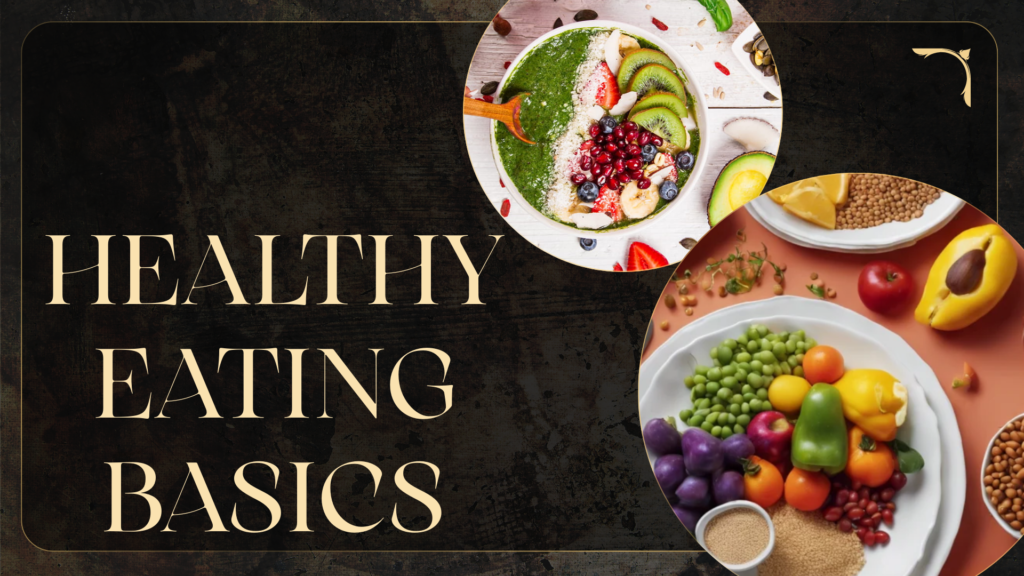
Healthy eating is not about strict rules or giving up your favorite foods. It is about choosing a variety of foods that give your body the nutrients it needs. A balanced diet helps you stay active, maintain a healthy weight, and reduce the risk of illness.
A good starting point is understanding food groups. Your daily meals should include fruits, vegetables, whole grains, protein, and healthy fats. Each group plays an important role. Fruits and vegetables provide vitamins, minerals, and fiber. Whole grains give long-lasting energy. Protein supports muscles and body repair. Healthy fats help brain function and overall health.
Portion control is also important. Eating too much, even healthy food, can lead to weight gain. Try to fill half your plate with vegetables and fruits, one quarter with protein, and one quarter with whole grains. This simple method helps balance your meals without complex calculations.
Limiting processed foods can greatly improve your diet. Many packaged snacks and fast foods contain high amounts of sugar, salt, and unhealthy fats. While they are convenient, eating them too often can harm your health. Choosing fresh or minimally processed foods is usually better.
Drinking enough water is another key habit. Water supports digestion, energy levels, and body functions. Sometimes people confuse thirst with hunger, leading to unnecessary snacking.
Consistency matters more than perfection. Occasional treats are fine, but regular healthy choices create lasting benefits. Small changes, such as adding more vegetables or reducing sugary drinks, can make a big difference over time.
In conclusion, building a balanced diet is about variety, moderation, and smart choices. By paying attention to food quality and portion sizes, you can develop eating habits that support long-term health and well-being.